
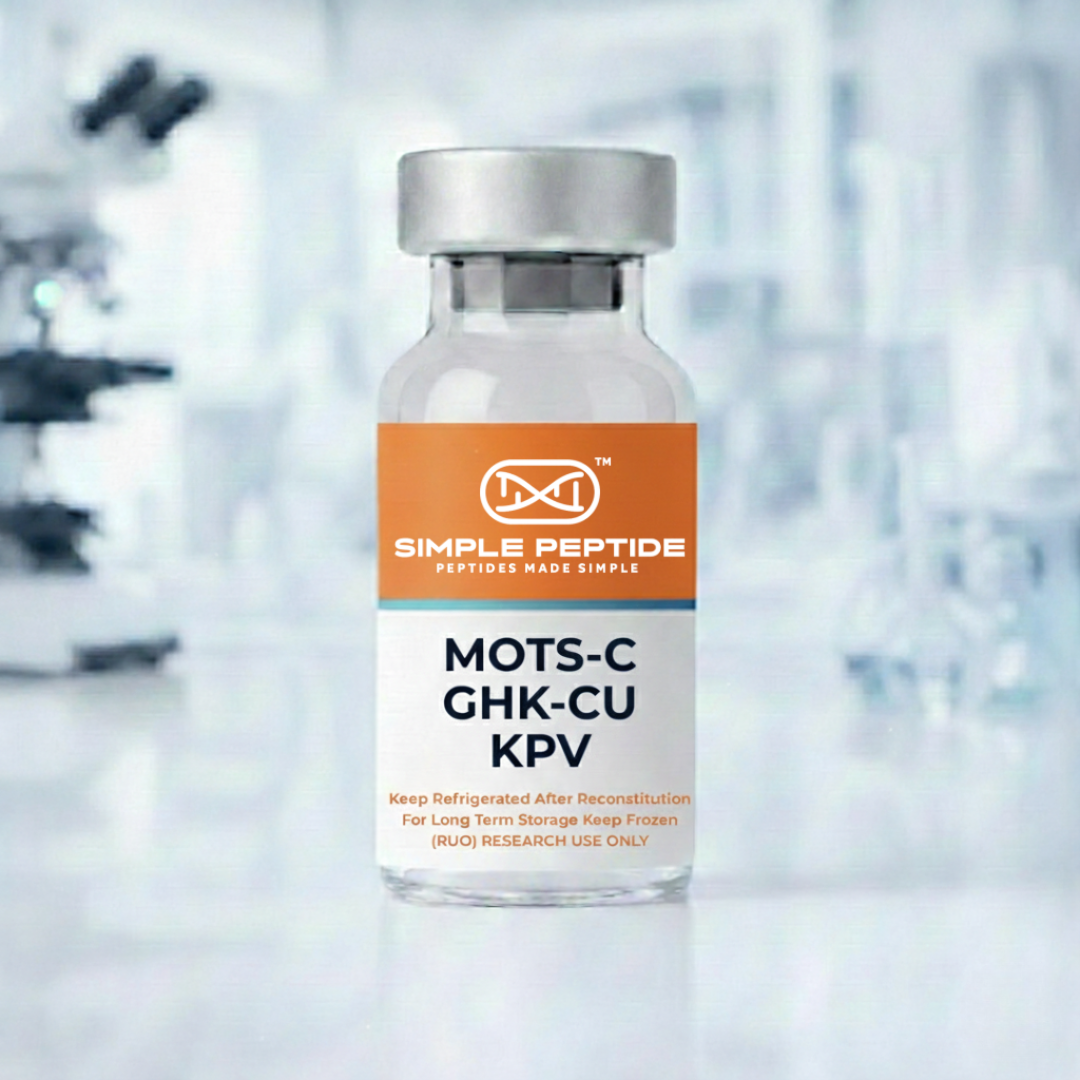
MOTS-C/GHK-CU/KPV Blend
Original price was: $279.00.$149.00Current price is: $149.00.
MOTS-C/GHK-CU/KPV Blend is a multi-peptide research formulation designed for controlled laboratory investigation. This blend combines three well-studied peptides commonly referenced in metabolic signaling, cellular communication, and peptide interaction research models.
- Multi-peptide blend formulated for structured laboratory research
- Commonly studied in cellular signaling and peptide interaction models
- Supplied in a format suitable for controlled experimental environments
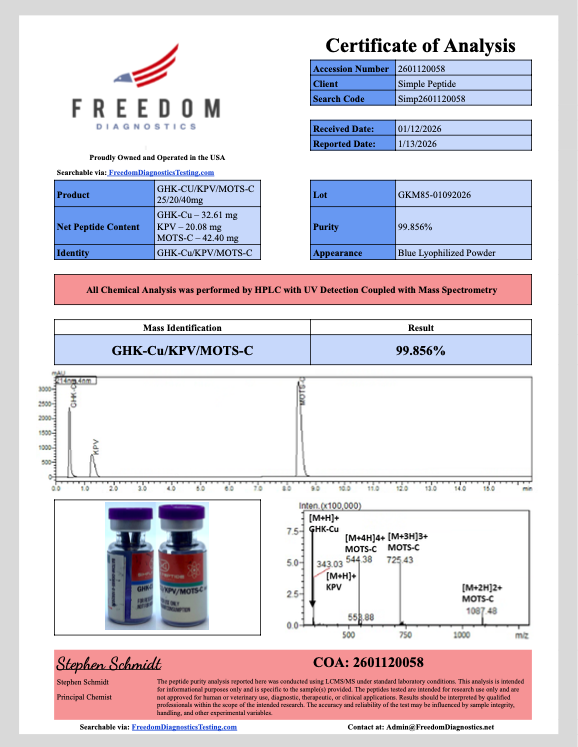
- MOTS-C 40MG | GHK-CU 25MG | KPV 20MG
MOTS-C/GHK-CU/KPV Blend Research Peptide Formulation
Overview of the Research Peptide Blend
The MOTS-C/GHK-CU/KPV Blend is a synthetic peptide formulation developed for controlled laboratory research. This blend combines MOTS-C (40mg), GHK-CU (25mg), and KPV (20mg) into a single, defined compound that supports structured peptide analysis. Researchers use this formulation to explore signaling activity, peptide interaction patterns, and sequence-based behavior in consistent experimental settings.
By combining these peptides into one formulation, researchers can observe multi-peptide dynamics that often remain hidden in single-compound studies. As a result, this approach supports clearer comparisons and more reliable research outcomes. In addition, the defined ratios help maintain steady conditions across study phases.
MOTS-C Research Applications
Simple peptide MOTS-C is a mitochondria-derived peptide widely referenced in cellular signaling and metabolic pathway research. Researchers include MOTS-C at 40mg to support precise measurement and repeatable workflows. In laboratory studies, MOTS-C plays a key role in examining how cells communicate and respond to metabolic signals.
Researchers commonly study MOTS-C for:
- Cellular communication pathway analysis
- Metabolic signaling research models
- Mitochondrial peptide behavior studies
Because of its higher concentration, MOTS-C allows researchers to maintain consistency across multiple test conditions.
GHK-CU Peptide Research Applications
GHK-CU is a copper-binding peptide commonly studied in molecular and cellular research. Researchers include GHK-CU at 25mg to allow balanced interaction with other peptides in the formulation. As a result, researchers can observe how signaling responses shift when peptides interact within the same model.
Common GHK-CU research areas include:
- Peptide interaction studies
- Cellular response observation
- Molecular signaling behavior analysis
In addition, GHK-CU adds flexibility to the overall research design.
KPV and Peptide Interaction Studies
KPV is a short peptide fragment often studied for its role in signaling control and peptide interaction modeling. Researchers include KPV at 20mg to support focused evaluation of sequence-specific behavior. Because of its defined structure, KPV works well in controlled laboratory environments.
Researchers value KPV for:
- Sequence-specific signaling evaluation
- Peptide communication modeling
- Controlled laboratory research compatibility
Together, the peptides in this formulation create a clear framework for studying combined peptide behavior while maintaining consistency, clarity, and repeatable research conditions.
| Strength | MOTS-C 40MG, GHK-CU 25MG, KPV 20MG |
|---|


Related products
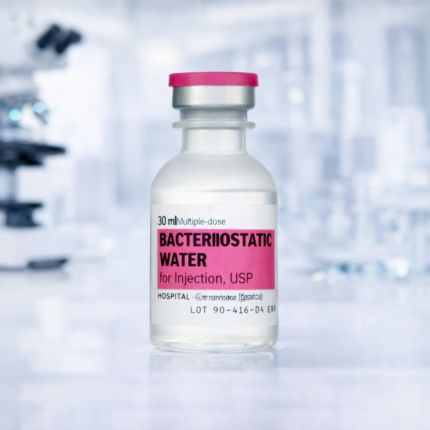
Bacteriostatic Water – 30ML Bottle
Bacteriostatic Water 30ML is a sterile laboratory solution formulated with benzyl alcohol for use in controlled research environments. Researchers use this solution to support preparation and dilution workflows that require consistent sterile handling.
- Sterile bacteriostatic water formulated with benzyl alcohol
- Used to support controlled preparation and dilution in research settings
- Designed for consistent handling across laboratory workflows
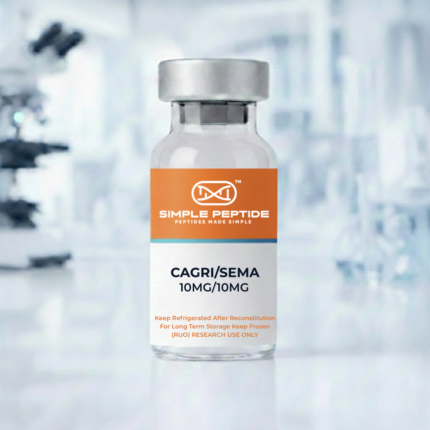
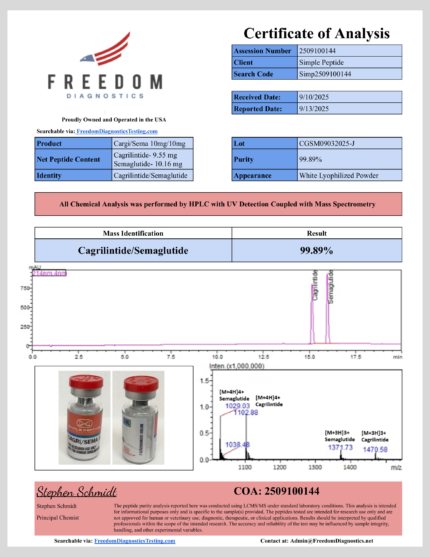
CagriSema 10MG/10MG
CagriSema is a research peptide combination supplied for controlled laboratory studies. Researchers use this formulation in structured research focused on peptide signaling and interaction behavior.
-
Combination peptide formulation for laboratory research
-
Supports studies focused on peptide signaling and interaction models
-
Suitable for controlled and repeatable research workflows
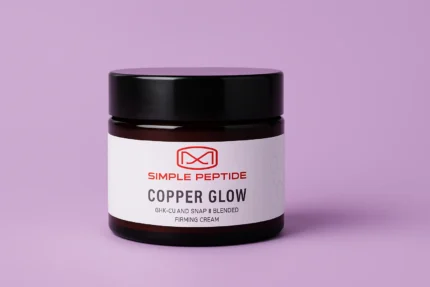

Copper Glow
- Supports research on peptide driven conditioning, renewal activity, and surface behavior
- Offers a rich cream base for studies on moisture retention, lipid balance, and adherence
- Helps examine structure, cohesion, and model response within keratin based systems
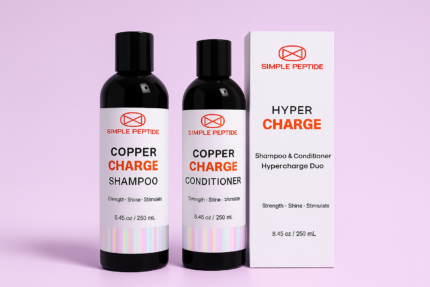
Coppercharge Duo – Hypercharge Shampoo & Conditioner
Coppercharge Duo – Hypercharge Shampoo & Conditioner
The Coppercharge Duo Hypercharge Shampoo and Conditioner is developed for laboratory research involving peptide based topical systems. Its sulfate free formulations provide a reliable foundation for examining renewal activity within keratin models, surface level fiber support, and moisture balance across scalp simulation environments. This duo offers researchers a consistent platform for studying peptide interaction, structural behavior, and hydration mechanics in controlled settings.- Supports investigations focused on peptide activity within hair and scalp model systems
- Provides sulfate free bases ideal for studying hydration, cleansing behavior, and moisture retention
- Helps analyze renewal patterns, fiber stability, and structural response in keratin based samples
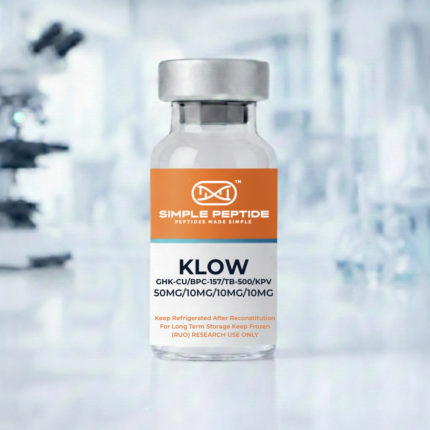
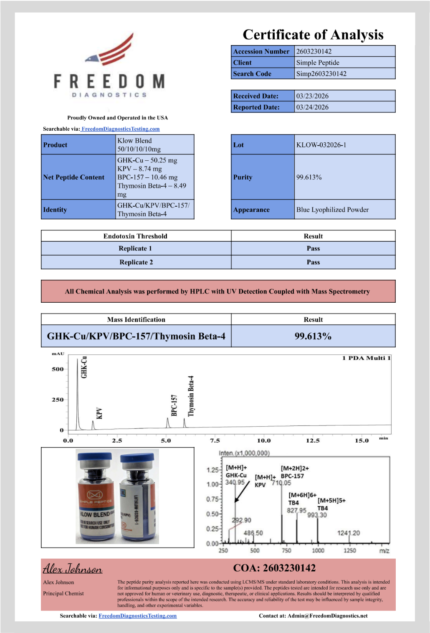
GHK-CU/BPC-157/TB-500/KPV KLOW Blend
The GHK-Cu, BPC-157, TB-500 & KPV Blend is a precision-formulated peptide system developed for laboratory research focused on tissue response, cellular signaling, inflammation pathways, and regenerative interactions. By combining four complementary peptides in a high-purity, lyophilized format, this formulation supports stable handling, consistent performance, and repeatable research outcomes across structured studies.
- Enables investigation of multi-pathway tissue repair, inflammation signaling, and structural response mechanisms
- Supports controlled evaluation of peptide interaction and signaling synergy within a single formulation
- Provides a lyophilized, high-purity composition designed for stability, reproducibility, and long-term research use
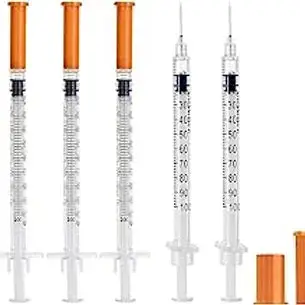
Insulin Syringes – 10 Pack
Insulin Syringes 31G 0.5ml/cc 5/16″ (8mm) are precision syringes designed for controlled liquid handling in laboratory and research environments. Researchers use these syringes when accurate measurement and consistent transfer of small volumes are required.
- 31 gauge needle supports precise handling of small liquid volumes
- 0.5 ml capacity with clear markings for accurate measurement
- Pack of 10 suitable for structured laboratory workflows
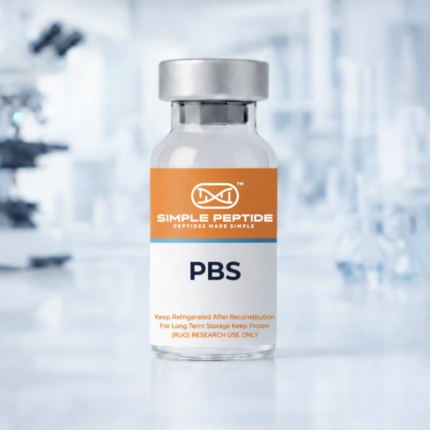
Phosphate-Buffered Saline (PBS) 30mL
PBS is a laboratory-grade phosphate-buffered saline solution designed to support consistent pH balance and controlled research workflows. Its stable buffering system makes it ideal for dilution, washing, and structured preparation processes.
- Balanced phosphate buffer system
- Stable pH control
- Isotonic saline composition
- Clear laboratory-ready format
- Designed for structured research environments
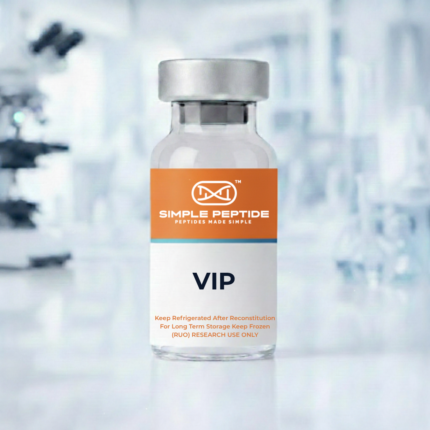
VIP
VIP is a research compound offered by Simple Peptide for controlled laboratory studies. Researchers use it to examine cellular signaling activity and regulatory pathway behavior in structured research environments.
This compound supports consistent testing where precise evaluation of intracellular communication and signaling processes is required.
- Supports structured investigation of mitochondrial-associated pathways
- Utilized in cellular energy and metabolic signaling research
- Manufactured for consistency in controlled laboratory environments

