
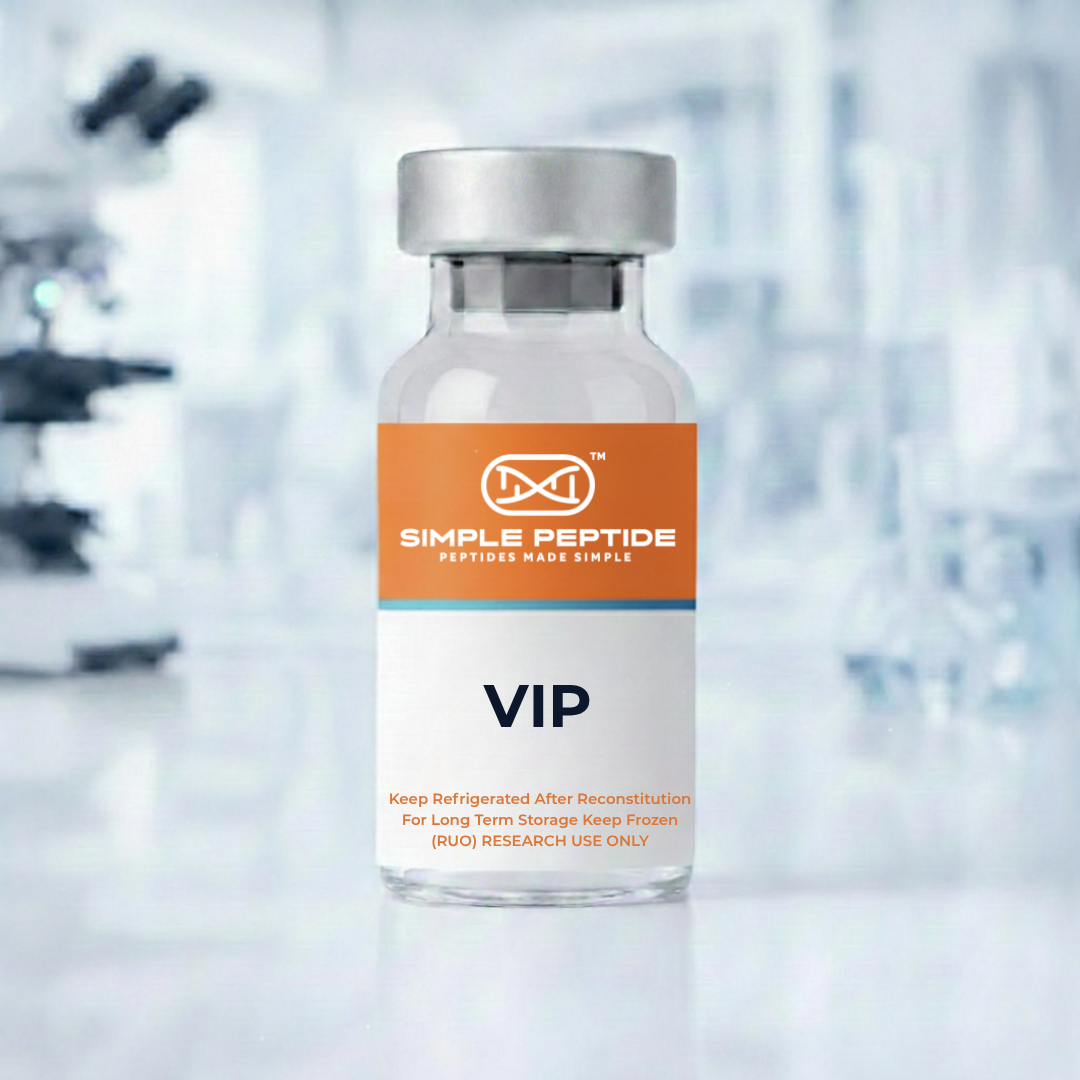
VIP
$52.00
VIP is a research compound offered by Simple Peptide for controlled laboratory studies. Researchers use it to examine cellular signaling activity and regulatory pathway behavior in structured research environments.
This compound supports consistent testing where precise evaluation of intracellular communication and signaling processes is required.
- Supports structured investigation of mitochondrial-associated pathways
- Utilized in cellular energy and metabolic signaling research
- Manufactured for consistency in controlled laboratory environments
VIP Peptide | Research Compound for Cellular Signaling and Pathways
VIP peptide is a research compound for controlled lab use. Researchers use it to study cell signaling and pathway activity. Because of this, it helps show how cells send and receive signals.
Cell signaling controls many cell functions. So, researchers focus on how signals move within these systems. As a result, they use VIP peptide in models that test signal flow and response.
Cell Signaling Research Applications
Simple Peptide Researchers use VIP peptide to study cell signaling and communication. In these models, they test how compounds affect signal paths under set conditions.
Also, this compound supports repeatable testing. For example, researchers can compare results across setups with ease. Because of this, it works well in structured lab studies.
Pathway Research
Cell pathways control how cells act and respond. So, they remain a key focus in research. VIP peptide supports studies that test how compounds affect these systems.
For instance, researchers study signal flow and pathway response. They also track how signals change over time. In turn, this helps build a clear view of cell signaling. Because the compound has a set structure, it helps keep results steady across tests.
Research Use Statement
VIP peptide is for research use only. It is supplied for use in controlled lab settings where structured testing and repeatable results are needed.
Key Features
- Research-grade compound for lab study
- Supports cell signaling and pathway research
- Used in signal and system studies
- Designed for steady and repeatable results
- Intended only for controlled lab use
| Strength | 5MG |
|---|


Related products
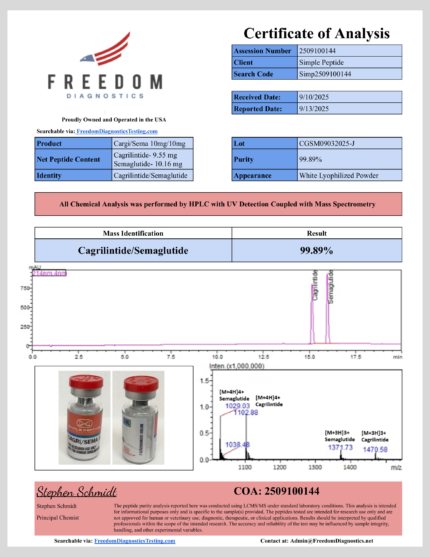
CagriSema 10MG/10MG
CagriSema is a research peptide combination supplied for controlled laboratory studies. Researchers use this formulation in structured research focused on peptide signaling and interaction behavior.
-
Combination peptide formulation for laboratory research
-
Supports studies focused on peptide signaling and interaction models
-
Suitable for controlled and repeatable research workflows
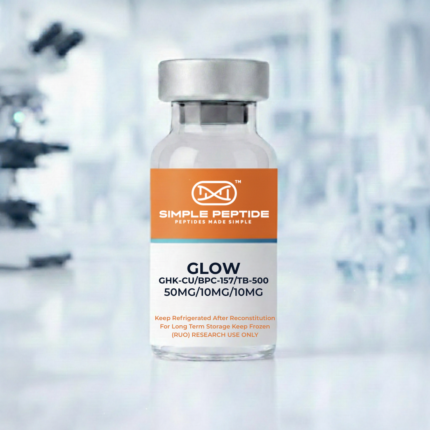
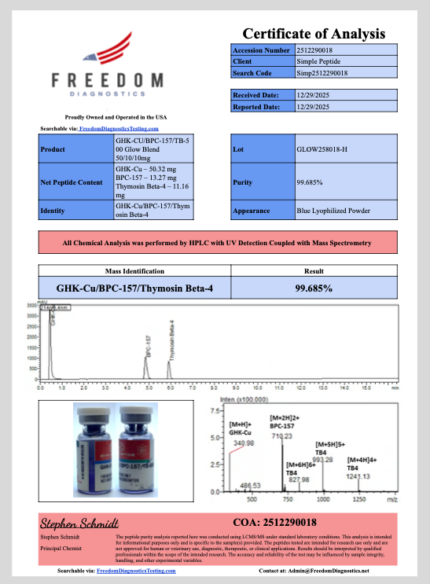
GHK-CU/BPC-157/TB-500 GLOW Blend
GHK-Cu / BPC-157 / TB-500 GLOW Blend is a multi-peptide research formulation supplied for controlled laboratory studies. Researchers use this blend in structured research focused on peptide interaction and signaling behavior.
- Multi-peptide blend designed for laboratory research applications
- Supports studies focused on peptide interaction and combined signaling models
- Suitable for controlled and repeatable research workflows

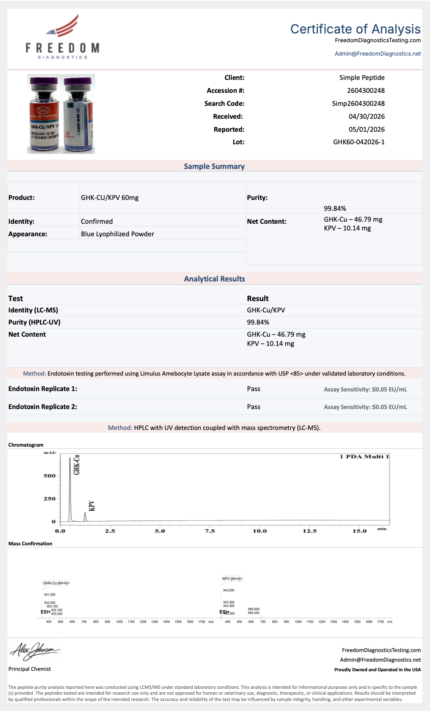
GHK/KPV Blend

Hypercharge Shampoo ( Copper Charge )
- Supports research on peptide activity within keratin and scalp model systems
- Provides a sulfate free base for studying cleansing action and moisture balance
- Helps analyze renewal behavior, structural strength, and surface condition in test samples
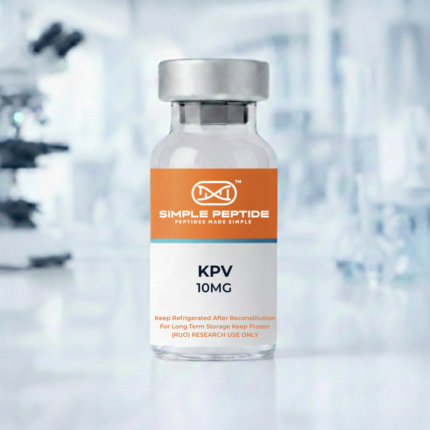
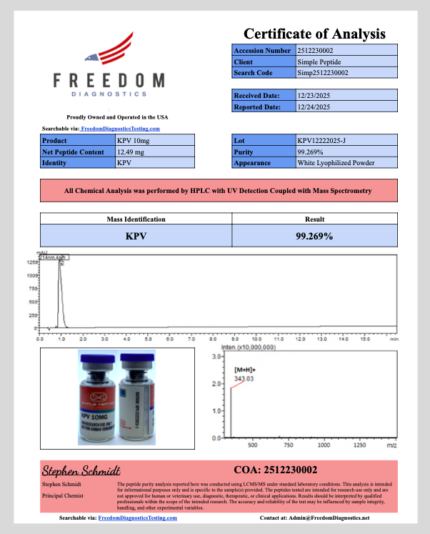
KPV 10MG
KPV is a synthetic research peptide supplied for controlled laboratory studies. Researchers use this compound in structured research focused on peptide signaling and sequence behavior.
- Short tripeptide sequence used in laboratory research
- Supports studies focused on peptide interaction and signaling patterns
- Suitable for controlled and repeatable research workflows
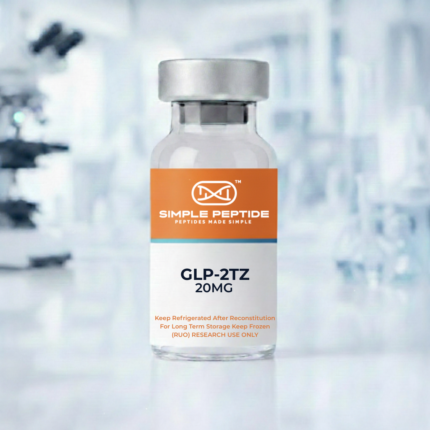
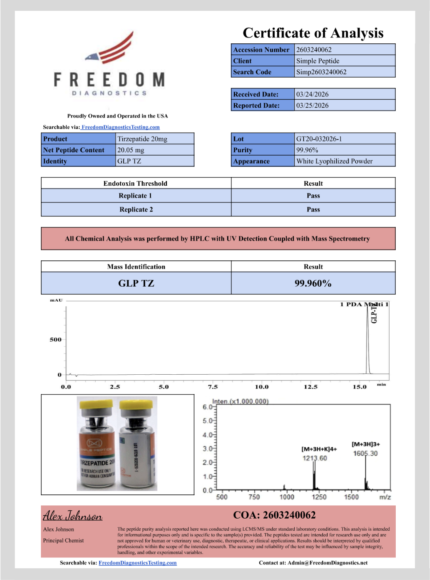
SP-2TZ 20MG
SP-2TZ is a research grade peptide supplied for controlled laboratory studies. Researchers use this compound in structured research focused on peptide signaling and pathway behavior within experimental models.
- Research grade peptide designed for laboratory investigation
- Used in studies focused on peptide signaling and pathway analysis
- Suitable for controlled and repeatable research workflows
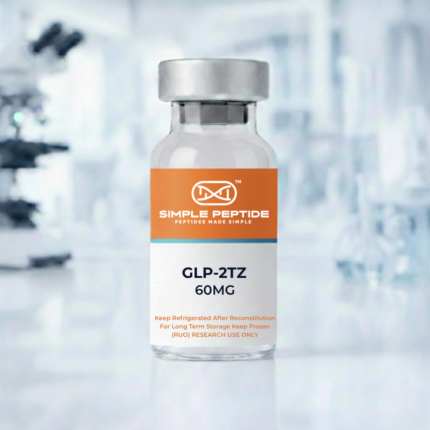
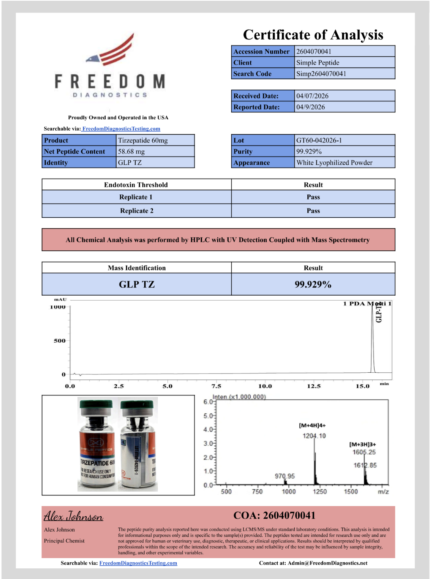
SP-2TZ 60MG
SP-2TZ 60MG is a research compound used in laboratory studies focused on receptor signaling pathways involved in systemic regulation. Researchers work with this compound in controlled in vitro settings to better understand how signaling networks coordinate response and balance within research models.
- Studied in laboratory research examining receptor pathways tied to signaling balance and regulation
- Used in controlled models exploring coordinated system responses rather than isolated signals
- Supplied in freeze-dried form to support precise handling and repeatable research workflows
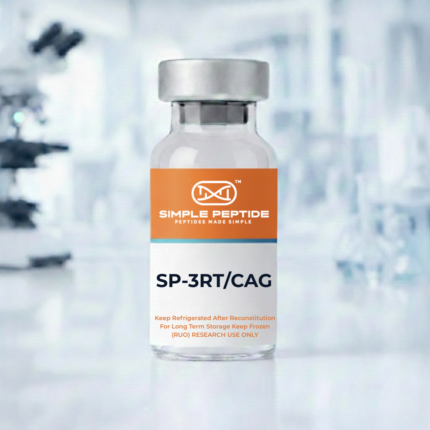
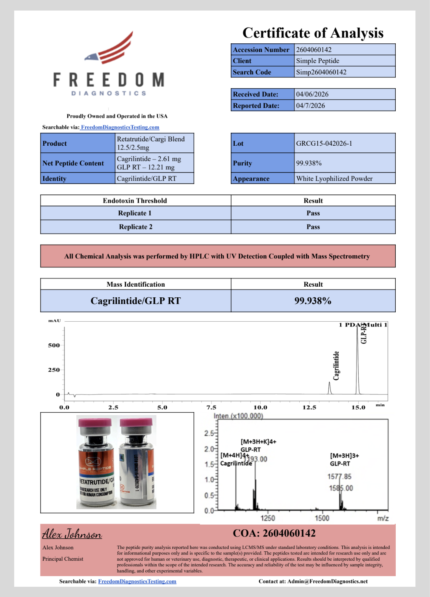
SP-3RT/Cag
SP-3RT/Cag is a research peptide combination supplied for controlled laboratory studies. Researchers use this formulation in structured research focused on peptide signaling and interaction behavior.
- Combination peptide formulation for laboratory research
- Supports studies focused on peptide signaling and interaction models
- Suitable for controlled and repeatable research workflows

